Shopping for your first machine is exciting — and a little bewildering. There is no single best sewing machine for beginners; there is the right one for you. Rather than point you at specific models that change every year, this guide explains what genuinely matters, so you can choose with confidence (and not overspend).
Mechanical vs computerized
Beginner machines fall into two broad types:
- Mechanical machines use dials and knobs. They are simple, sturdy, affordable and easy to understand — a great honest starting point.
- Computerized machines use buttons and a small screen, offer more stitch options, and can be more precise. They cost more and add features you may not need at first.
For most beginners, a solid mechanical machine (or an entry-level computerized one) is plenty.
The features that actually matter
Look for these; ignore the long stitch-count marketing:
- Straight, zigzag and reverse stitches — the everyday essentials. You rarely need dozens of decorative stitches.
- Adjustable stitch length and width — for control across different fabrics.
- A four-step (or one-step) buttonhole — useful as soon as you start making clothes.
- An easy bobbin system — a top drop-in bobbin is simpler to load than a front-loading one.
- Adjustable thread tension — to get neat stitches on different materials.
- A free arm — for sewing cuffs, hems and other tubes.
- Decent build quality — a little weight usually means more stability and less hopping about.
Features you can skip at first
Hundreds of fancy stitches, automatic thread cutters and embroidery functions are lovely but rarely essential for a beginner. You can always upgrade later once you know how you like to sew.
How much should you spend?
Enough for a reliable machine, but no more. Very cheap toy-like machines often cause more frustration than they are worth, while top-end models are overkill early on. A dependable entry-level or mid-range machine hits the sweet spot. Wherever you buy, choosing a dealer that offers servicing and spare parts is worth as much as the machine itself.
Brands you'll come across
You will see several well-known, beginner-friendly brands widely sold in Malaysia. Rather than chase a specific model, compare machines in your budget against the feature checklist above, and if you can, test the controls in person before deciding.
Try before you buy
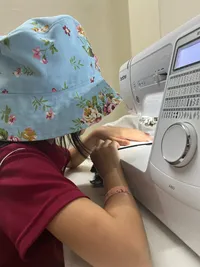
Here is the tip that saves the most money: learn on a machine before you own one. A few classes will teach you what feels comfortable, which features you actually use, and what to look for — so you buy the right machine once, not the wrong one twice. In our beginner classes at Two Moles, machines are provided, and you are welcome to ask us for advice on buying your own. If you are still finding your feet, our guide to using a sewing machine and our beginner's guide to starting sewing are good next reads.
Frequently asked questions
Do I need an expensive machine to learn?
No. A reliable entry-level machine handles everything a beginner needs. Spend on dependability and servicing, not on stitch count.
Mechanical or computerized for a first machine?
Either works. Mechanical is simpler and cheaper; entry-level computerized adds convenience. Choose by feel and budget.
Do I need to buy a machine before taking a class?
Not at all — machines are provided in class, so you can learn (and decide what you like) before spending anything. See our sewing classes in Subang Jaya.
Not sure what to buy yet? Learn on ours first. Message us on WhatsApp or browse our classes.